
Have you heard of mochiyori? This little part of Japanese culture carries a spirit of simplicity, generosity and community. What is it, and why does it have so much to teach our churches?
What is mochiyori?
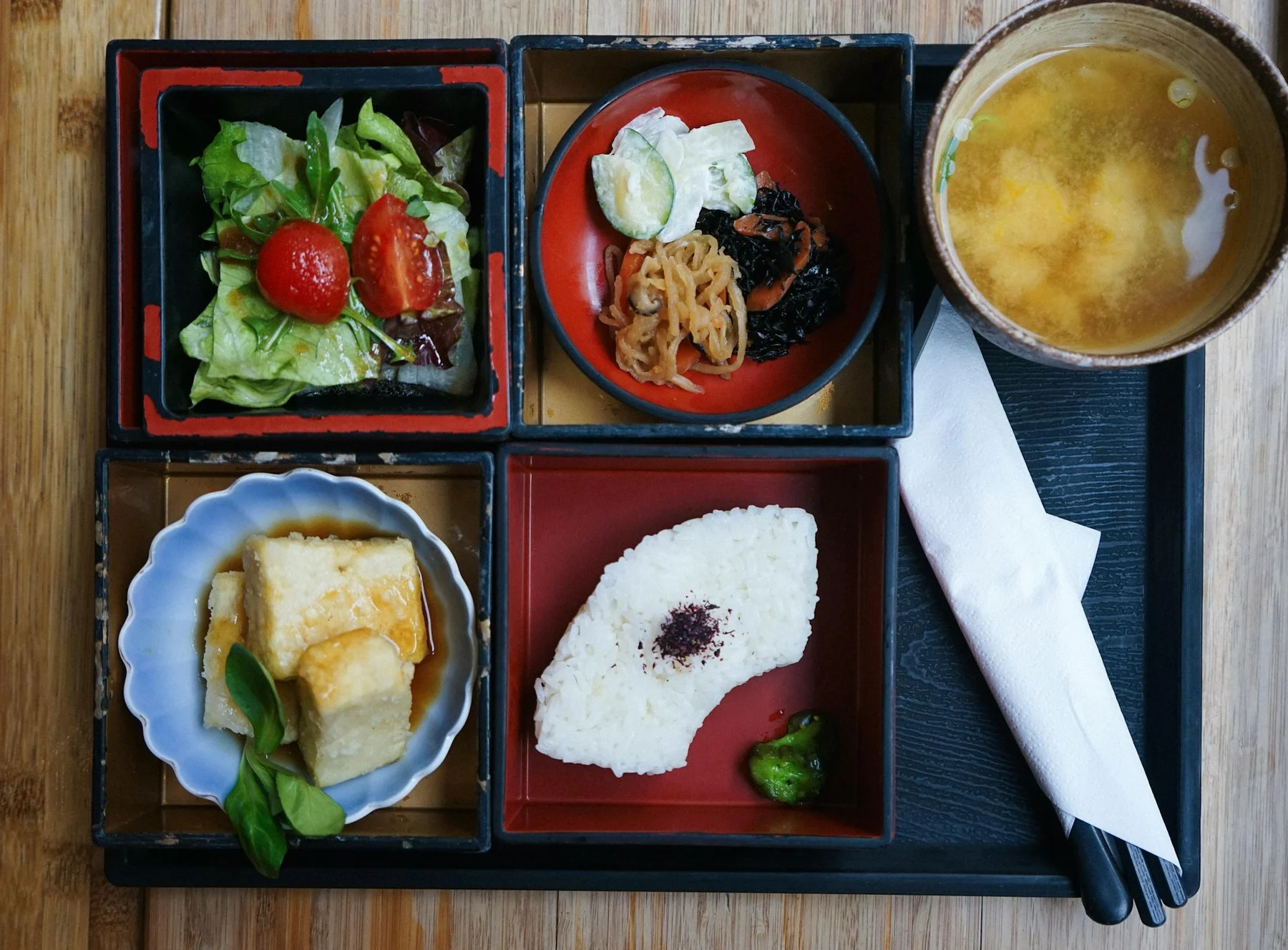
Mochiyori (持ち寄り) literally means bringing and sharing. It is common in Japan at family gatherings, neighbourhood meetings, school events and religious celebrations. Each person brings a dish, usually homemade, and everyone shares. It sounds simple, but it goes far beyond a meal.
How did this practice begin?
Mochiyori has deep roots in Japanese culture, especially in difficult times such as the postwar period. With few resources, communities gathered and shared what they had. This not only fed people but strengthened relationships. In the Japanese outlook, ‘we’ has always mattered more than ‘I’, and mochiyori reflects that philosophy.
How is it practised today?
Today mochiyori is more elaborate, but it has kept its essence. Events are carefully organised: people agree beforehand on what to bring to ensure variety. Particular care is taken so that no one brings anything expensive or extravagant. Fellowship is the focus, rather than showing off.
What can the church learn?
Thinking of mochiyori merely as a picnic could mean missing a deeper lesson. Scripture often speaks of fellowship. In Acts 2:42–47, the first Christians shared their possessions and bread, living as a large family. Mochiyori can inspire local churches in Japan and Brazil. Imagine a service followed by mochiyori: each family bringing something simple and sharing food, stories, testimonies and prayers. It is a practical way to live Christ’s love, remembering his teaching that giving is more blessed than receiving (Acts 20:35).
Some things to reflect on
- Meals build bridges. At mochiyori gatherings in Japan, shy people find space to open up. Food helps conversations begin.
- Care goes into preparation. Many Japanese people devote time to preparing a dish, not because of its monetary value but out of a desire to offer their best to others.
- Everyone participates. No one is simply a guest: everyone helps, whether by bringing food or organising the event.
Could we encourage our churches to adopt this practice? Mochiyori can beautifully reflect God’s kingdom, with everyone contributing what they have, no one left in need and everyone satisfied in body and soul. Next time you organise a gathering, remember mochiyori. Perhaps it can help your church live more fully as a family in Christ.