
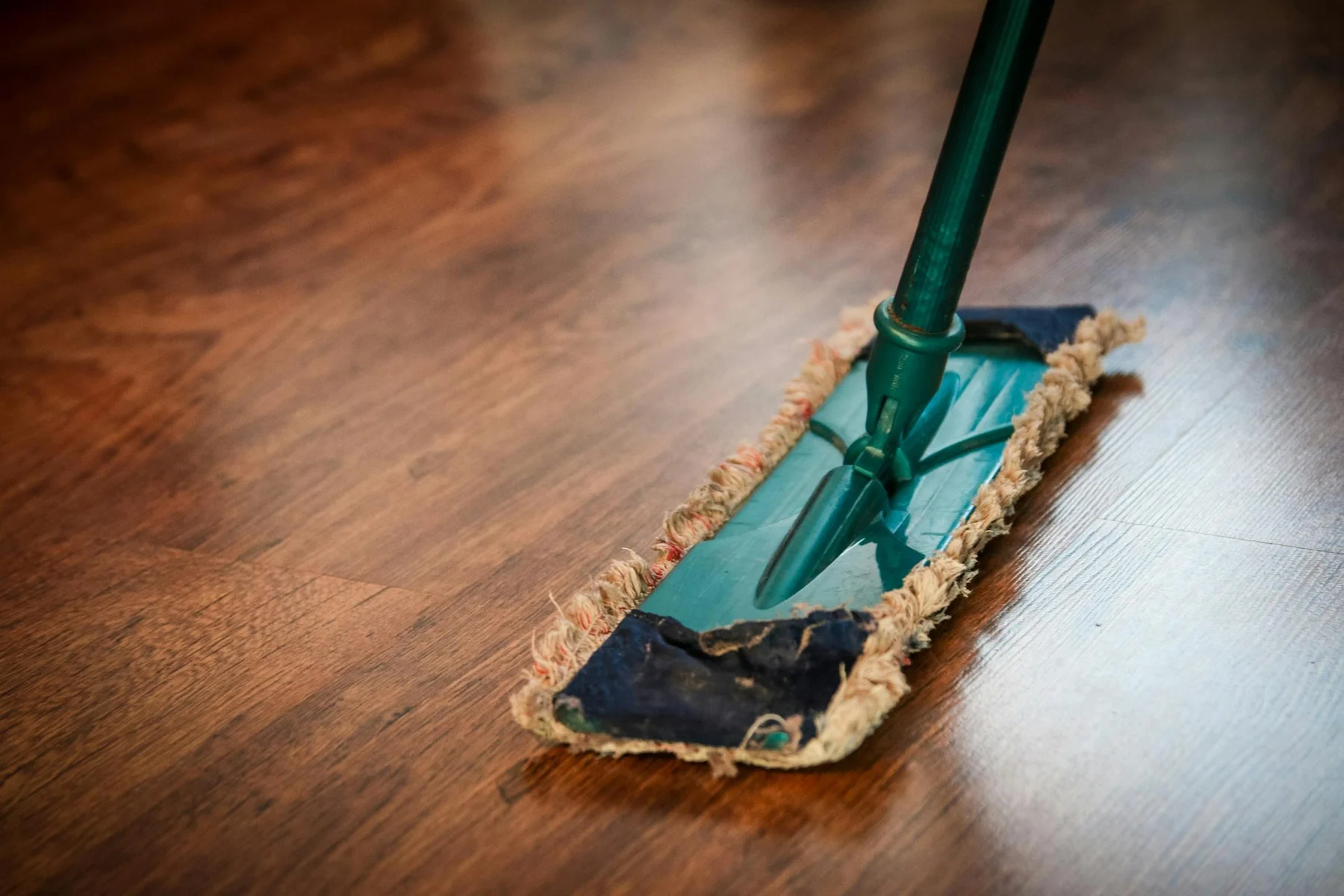
Katazuke (片付け) is the Japanese practice of tidying or organising a space. Beyond physical cleaning, this tradition is understood as a way of respecting the environment and the spirits called kami, which Shinto associates with places and objects. Keeping a space tidy is a way of maintaining harmony and avoiding displeasing those spirits.
The influence of kami: order and spirituality
Shinto has shaped much of Japanese culture. It teaches that things around us, such as trees, rivers, mountains and even objects, can have a spirit called a kami. These kami can bring good things, but can also be dangerous if disrespected. We see many in anime, such as the nine-tailed fox in Naruto, though anime is a subject for another article. In this understanding, keeping places clean and tidy goes beyond appearance: it is a way to please kami and avoid problems. An untidy space can be seen as disrespectful and even attract kami considered negative. Caring for spaces thus reflects a spiritual relationship with the environment. Yet these kami are neither sovereign nor perfect. They do not have the power to transform lives as the God we worship does. While Japanese people organise spaces to seek harmony with kami, we believe in a God who is the source of order and peace and desires to dwell within us rather than in places or objects.
The contrast with Christianity
Where Shinto speaks of tidying to appease or please kami, Christianity presents a God whose blessing does not depend on what we do or where we are. He is a God of grace and mercy who desires a direct relationship with us. Acts 17:24 reminds us that the God who made the world does not live in temples made by human hands. God desires our hearts, beyond clean and tidy places. He is neither unpredictable nor limited like kami: he is faithful and just, always leading us in love. While kami can be regarded as bringing both good and harm, God is wholly good and perfect. He acts out of love, like a Father desiring our best, rather than out of whim or demands.
How do we live out katazuke?
How does organisation show itself in our lives? As Christians, we do not tidy out of fear or superstition. We care for what we have because God has called us to be good stewards. Genesis 2:15 describes God entrusting Adam with the garden of Eden. But God also desires to put our inner lives in order. Hidden sin, overwhelming anxieties and a lack of time for God can disorder our hearts. David understood this when he asked God for a clean heart and a steadfast spirit (Psalm 51:10). Before putting our homes in order, we need to let God put our hearts in order.
A challenge for you
Katazuke can remind us of the importance of caring for our surroundings. As Christians, we know this is only a beginning. Could this inspiration help us consider the condition of our hearts? Here are some questions:
- Are you caring well for what God has entrusted to you: your home, possessions, relationships and time?
- Is there an area of your life that needs a thorough spiritual clean?
- Have you stopped to let God put what is disordered within you in order?
Jesus spoke of giving us his peace, a peace different from what the world gives (John 14:27). It comes as we entrust the disorder of our lives to him. Next time you tidy your home or organise a space, remember that God is also willing to put your heart in order. He brings true harmony beyond what any practice or habit can achieve.